MAGI-2
One character across three settings
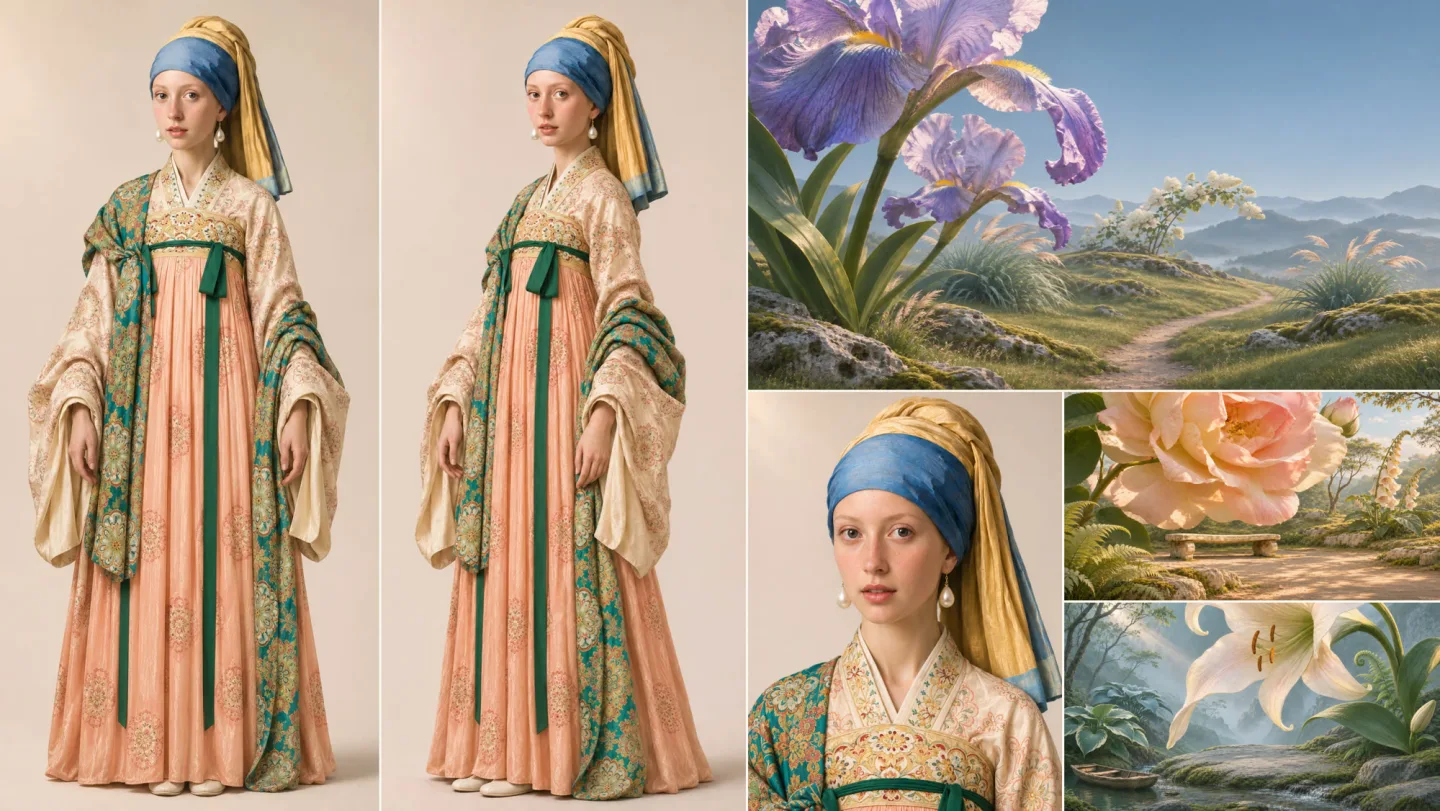
Sand.ai provides reference images for the character, costume and flower gardens. Watch whether the character stays consistent as the camera angle changes.
MAGI-2 makes clips up to 30 seconds and lets you time the cuts. MiniMax H3 offers 2K output through its API and native stereo sound. Compare the official clips, Elo scores and API costs.
The two vendors used different prompts. Watch MAGI-2 cut between camera angles, then listen to the stereo track generated by MiniMax H3.
| Video task | MAGI-2 | MiniMax H3 |
|---|---|---|
| Image to video with audio | 1163±14 | 1135±13 |
| Text to video with audio | 1150±13 | 1164±12 |
MAGI-2 scores higher on the image-to-video board. H3 (768p) has the higher point estimate for text-to-video, where the 95% intervals overlap.
Video Arena v2.1 · ± denotes the 95% confidence interval · Checked · Leaderboard entry MiniMax H3 (768p)
Higgsfield’s direct matchup on November 24, 2026. Artificial Analysis scores each video task separately.
| Metric | MAGI-2 | MiniMax H3 |
|---|---|---|
| Clip length | 4–30 seconds via Higgsfield | Up to 15 seconds |
| Output resolution | 1080p · 25 fps | 768p / 2K |
| Reference media | Up to 10 images, 5 video clips and 5 audio clips | Images, video and audio through supported modes |
| Generated audio | Native synchronized audio | Native stereo audio |
| Public API output rate | $0.08/s at 1080p on Higgsfield | $0.08/s at 768p; $0.13/s at 2K on MiniMax |
A 10-second MAGI-2 clip costs $0.80 at 1080p via Higgsfield. MiniMax lists $0.80 at 768p or $1.30 at 2K for 10 seconds of H3 output. H3 bills video references separately by input duration.
MAGI-2
Sand.ai provides reference images for the character, costume and flower gardens. Watch whether the character stays consistent as the camera angle changes.
MiniMax H3
MiniMax combines camera movement from a video, a character from an image and vocals from an audio reference.
This comparison covers the 480B flagship. Hugging Face hosts the 114B Preview weights under Apache 2.0, and GitHub documents Preview text-to-video and image-to-video inference.
The Hugging Face model card links H3 checkpoints and the MiniMax H3 Community License. The GitHub deployment guide runs H3-Base locally at 768p and documents a separate API-assisted workflow for 2K output.
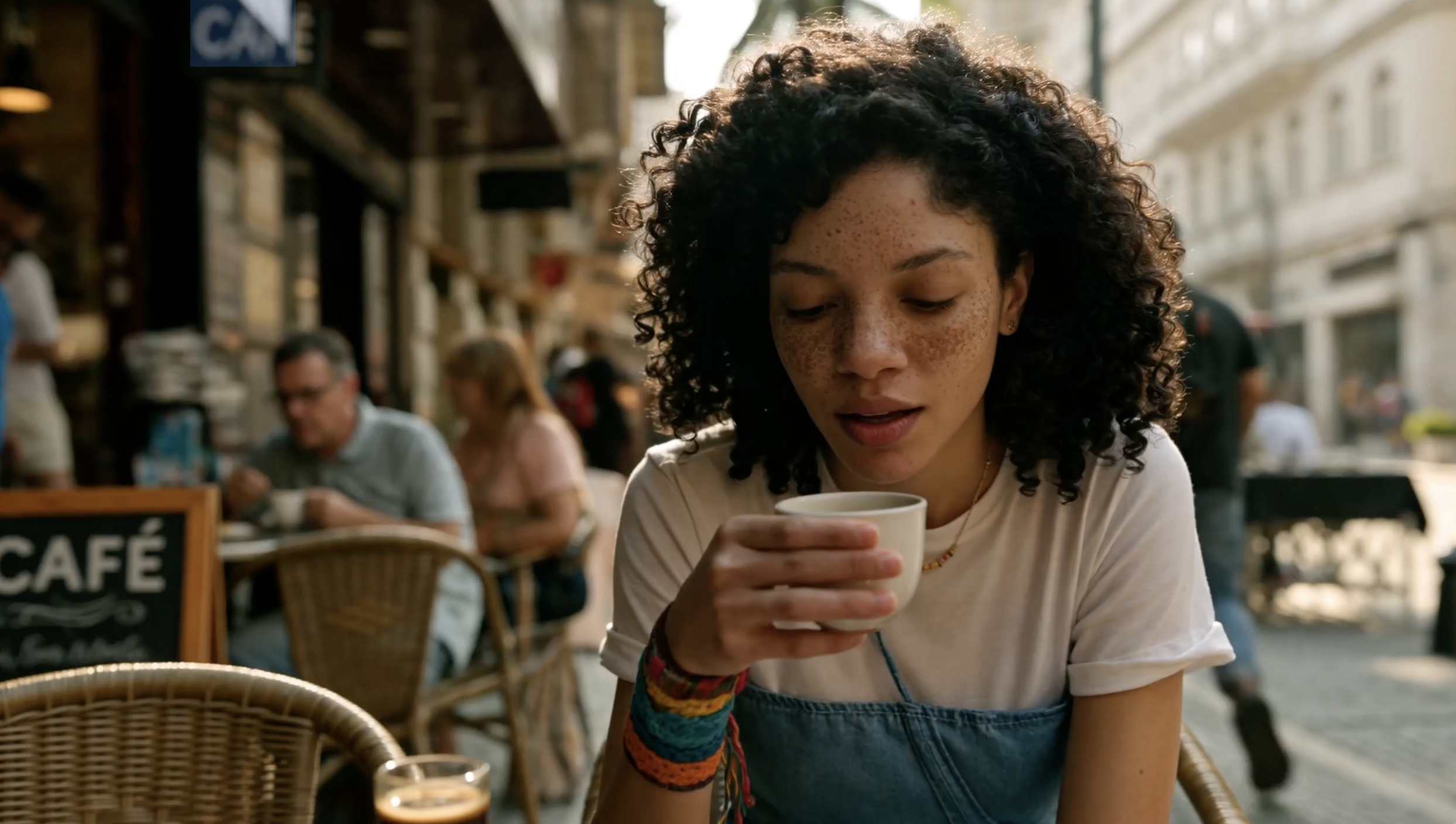
The author favored H3’s framing and camera movement and found MAGI-2’s version more realistic. Watch how each model renders hands and nets.
The Chinese-language report collects launch demos of timed cuts, continuous camera movement and stylized clips.
The launch thread discusses GPU requirements, local deployment and the differences between the flagship and Preview.
The independent gallery collects creator tests and vendor demos. Filter by camera motion, dialogue or reference media, then follow the original prompt or post when available.
MAGI-2 supports up to 30 seconds via Higgsfield. MiniMax H3 supports up to 15 seconds and offers up to 2K on MiniMax’s hosted API.
On the captured Artificial Analysis boards, MAGI-2 has the higher image-to-video Elo and MiniMax H3 (768p) has the higher text-to-video point estimate. Both rows use tests with audio.
Yes. The published H3-Base weights support local 768p generation. MiniMax’s documented 2K workflow also uses its API. The benchmark entries on this page are for H3 (768p).