MAGI-2
One character across three settings
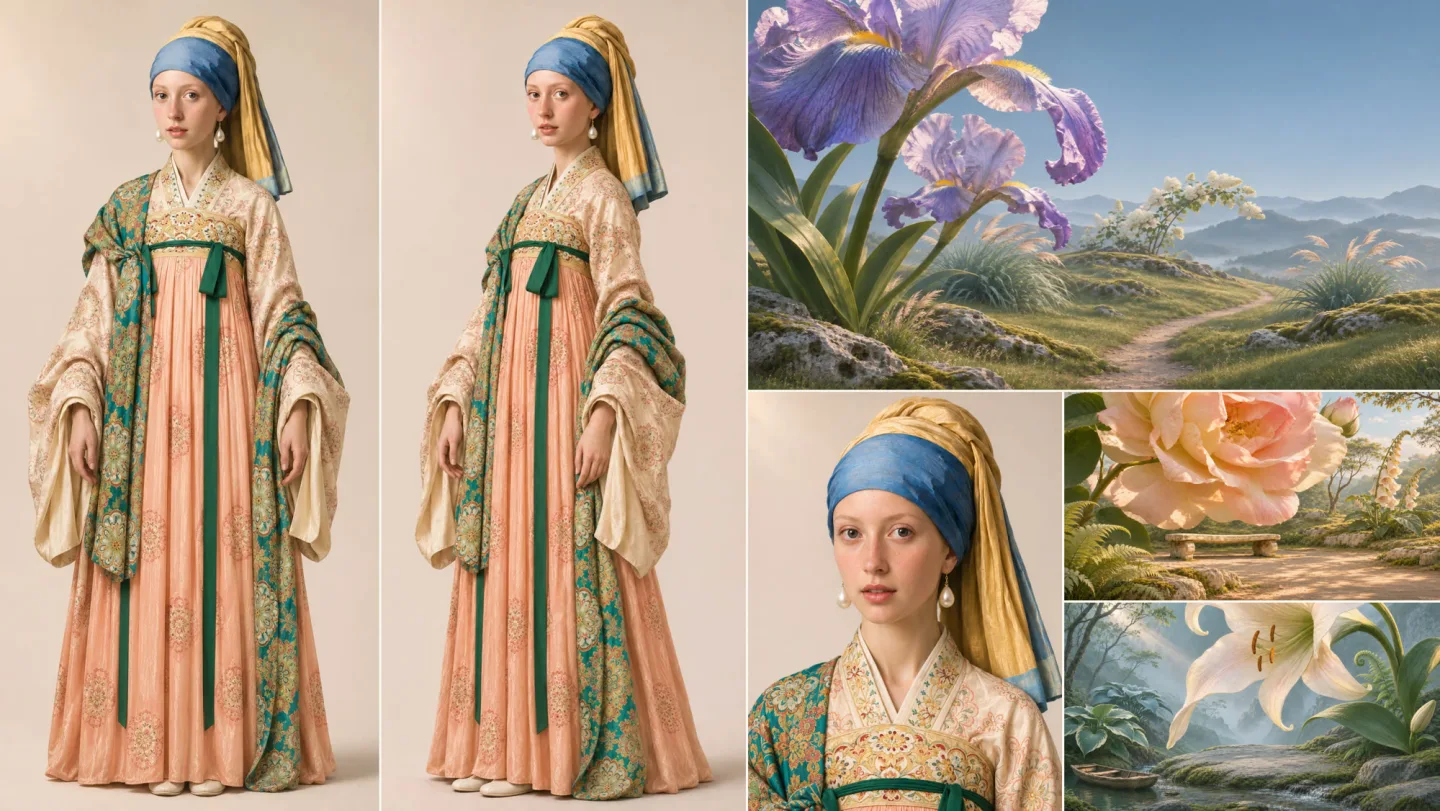
Sand.ai provides reference images for the character, costume and flower gardens. Watch whether the character stays consistent as the camera angle changes.
Both models can generate a 30-second scene. A same-script test shows how closely MAGI-2 and Kling 4.0 follow requested cut times. Compare the keyframe demos, Elo scores and 1080p API prices to see which fits your workflow.
SeedVideo AI ran each model once. MAGI-2 was generated at 1080p and published at 720p, and Kling 4.0 ran at 720p. Both published clips are silent. Use them to compare shot timing and action.
| Video task | MAGI-2 | Kling 4.0 |
|---|---|---|
| Image to video with audio | 1163±14 | 1139±16 |
| Text to video with audio | 1150±13 | 1144±15 |
MAGI-2 has the higher point estimate on both audio-enabled boards. The 95% intervals overlap for both tasks.
Video Arena v2.1 · ± denotes the 95% confidence interval · Checked
Higgsfield’s direct matchup on November 24, 2026. Artificial Analysis scores each video task separately.
| Metric | MAGI-2 | Kling 4.0 |
|---|---|---|
| Clip length | 4–30 seconds via Higgsfield | 3–30 seconds via Higgsfield |
| Output resolution | 1080p · 25 fps | 720p / 1080p (Higgsfield) |
| Reference media | Up to 10 images, 5 video clips and 5 audio clips | Up to 15 mixed references and up to 10 keyframes in Kling AI. Limits vary by endpoint. |
| Generated audio | Native synchronized audio | Native stereo audio |
| Public API output rate | $0.08/s at 1080p on Higgsfield | $0.235/s at 1080p, standard Higgsfield rate |
At standard Higgsfield rates, a 30-second 1080p text-to-video request costs $2.40 for MAGI-2 or $7.05 for Kling 4.0. The Kling price page also lists a separate promotional rate. Reference and editing endpoints have their own pricing.
MAGI-2
Sand.ai provides reference images for the character, costume and flower gardens. Watch whether the character stays consistent as the camera angle changes.
Kling 4.0
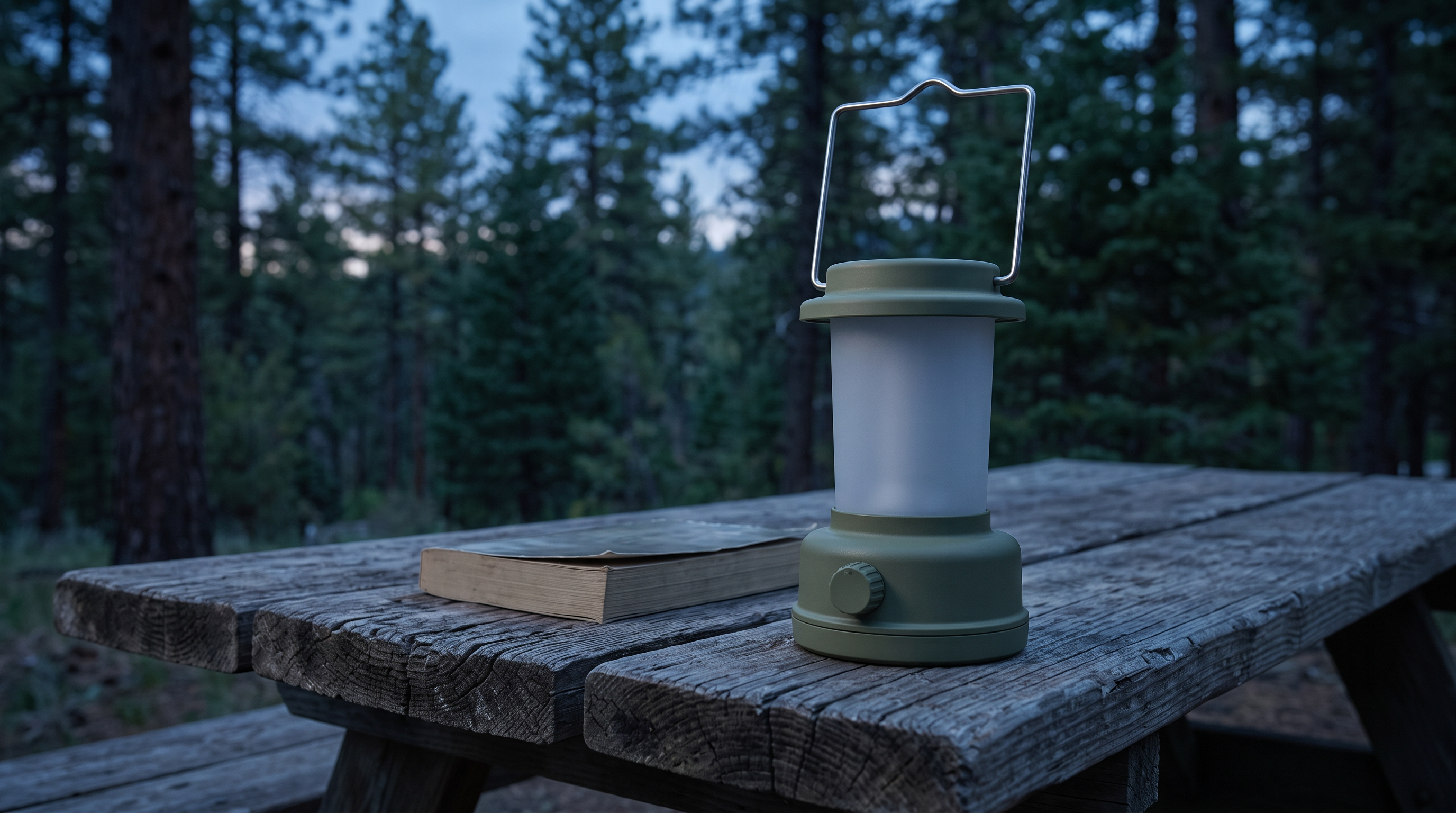
fal supplied an unlit lantern as the first frame and a lit lantern as the last. Watch whether the light changes without altering the product or framing.

Follow the rider as the camera cuts between tracking, close-up and overhead views.
Higgsfield’s launch video for Kling 4.0.
This comparison covers the 480B flagship. Hugging Face hosts the 114B Preview weights under Apache 2.0, and GitHub documents Preview text-to-video and image-to-video inference.
Kuaishou describes its 30-second mode, Omni Reference and multi-keyframe controls. The Higgsfield reference lists the supported parameters for its hosted text-to-video endpoint.
Kling 4.0 stayed within 0.08 seconds of all three target cuts in this run. MAGI-2 reproduced the requested low angle at the final bowl shot. The original shows all three models and a contact sheet.
The provider’s test includes an 8-second first-and-last-frame clip and several multi-shot examples, with prompts and settings published alongside the outputs.
The Chinese-language report collects launch demos of timed cuts, continuous camera movement and stylized clips.
The launch thread discusses GPU requirements, local deployment and the differences between the flagship and Preview.
The independent gallery collects creator tests and vendor demos. Filter by camera motion, dialogue or reference media, then follow the original prompt or post when available.
In SeedVideo AI’s single run, Kling 4.0 was within 0.08 seconds of all three target cuts. MAGI-2’s largest miss was 0.44 seconds. The clips used different generation resolutions.
At Higgsfield’s standard text-to-video rates, MAGI-2 costs $2.40 and Kling 4.0 costs $7.05 for 30 seconds at 1080p. Discounts and other modes affect the bill.
Yes. The image-to-video workflow can use first and last frames. Kling AI also describes up to 10 keyframes in its product. Check the endpoint’s controls before sending multiple keyframes.