GLM 5.2 so với GLM 5.1: Bạn nên nâng cấp ngay hay chờ đợi?
Nếu bạn đã đang sử dụng GLM 5.1, câu hỏi thực sự không phải là liệu GLM 5.2 có trông tốt hơn trên giấy tờ hay không. Mà là liệu việc nâng cấp có tạo ra giá trị đo lường được cho khối lượng công việc của bạn mà không gây ra rủi ro triển khai không cần thiết hay không.
Nhận định ngắn gọn
Đối với hầu hết các nhóm, GLM 5.2 là mô hình mạnh hơn và là lựa chọn mặc định tốt hơn về lâu dài. Z.AI ghi nhận bước nhảy từ Ngữ cảnh 200K trong GLM-5.1 đến 1M ngữ cảnh trong GLM-5.2, giữ nguyên giá API đã công bố, và thêm các điều khiển liên quan đến di chuyển mới như reasoning_effort và hỗ trợ luồng công cụ. Nhưng nếu quy trình GLM 5.1 của bạn đã ổn định, các tác vụ của bạn phù hợp thoải mái dưới ngữ cảnh 200K, và bạn chưa có bộ kiểm tra hồi quy, bước đi tốt nhất thường là một thí điểm trước, không phải là chuyển đổi toàn bộ ngay lập tức.
Điều mà bài viết này giúp bạn quyết định
- Liệu GLM 5.2 có thực sự tốt hơn cho công việc thực tế của bạn, không chỉ trên các tiêu đề điểm chuẩn
- Liệu GLM 5.1 vẫn là lựa chọn thông minh hơn cho một số tuyến trong sản xuất
- Điều gì thay đổi về mặt kỹ thuật khi bạn chuyển đổi
- Cách triển khai GLM 5.2 mà không phá vỡ bộ phân tích cú pháp, các giả định về prompt hoặc ngân sách độ trễ

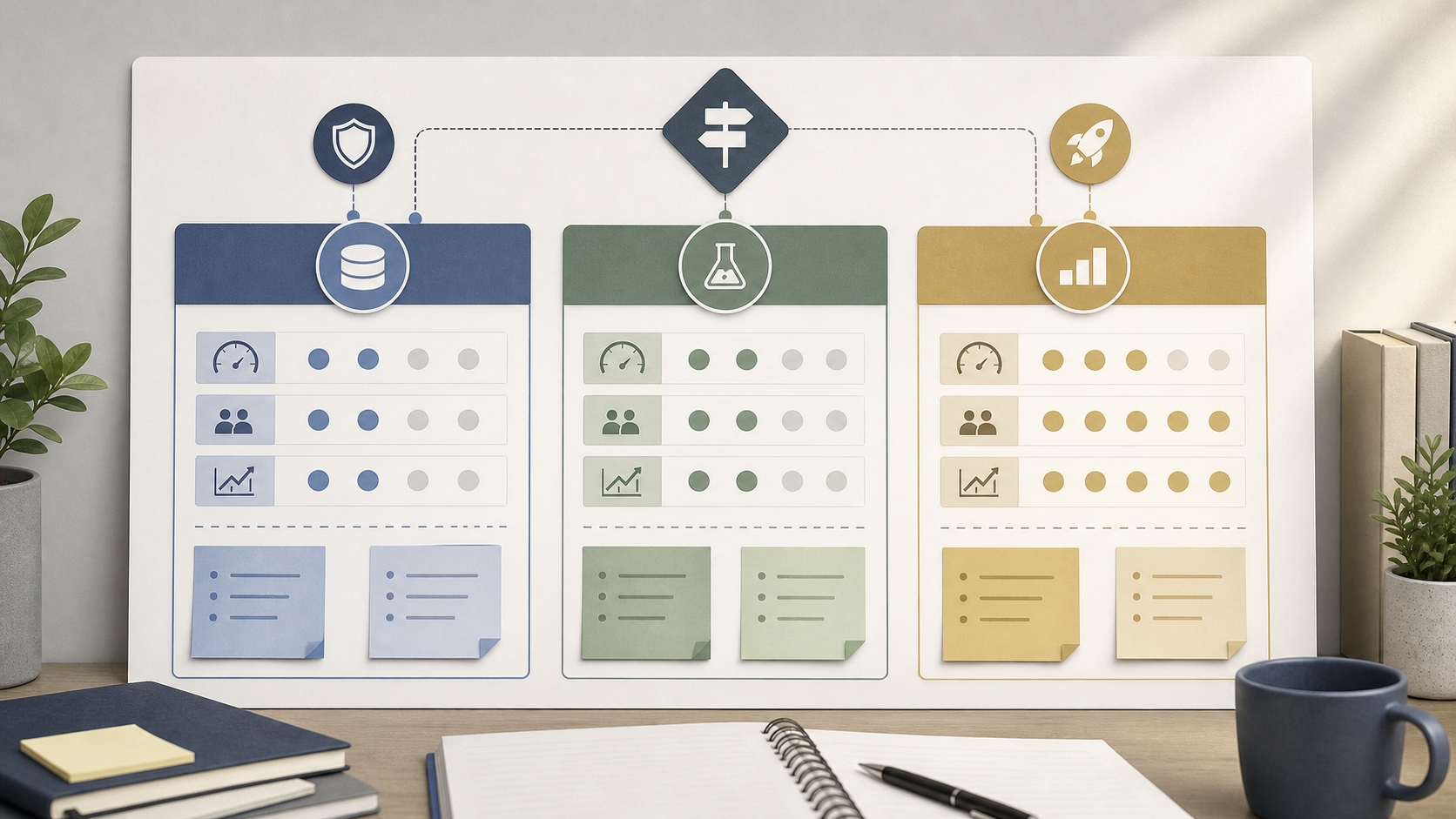
Ma trận quyết định nâng cấp
Trước khi sa vào danh sách thông số đối chiếu, hãy bắt đầu từ kết quả bạn mong muốn.
| Tình huống của nhóm | Lựa chọn tốt nhất | Lý do |
|---|---|---|
| Prompt của bạn ngắn, tác vụ nằm dưới 200K ngữ cảnh, và GLM 5.1 đã được kiểm chứng | Tạm thời giữ nguyên GLM 5.1 | Bạn có thể không đạt được đủ lợi ích từ ngữ cảnh 1M để ngay lập tức biện minh cho việc chuyển đổi. |
| Bạn đang gặp áp lực về ngữ cảnh, quy trình vận hành agent, hoặc các tác vụ lập trình quy mô repo, nhưng môi trường sản xuất lại nhạy cảm. | Dùng thử GLM 5.2 | Lợi ích là thực tế, nhưng bạn cần dữ liệu hồi quy trước khi chuyển đổi hoàn toàn. |
| Bạn thường xuyên chạm giới hạn ngữ cảnh dài, chạy chuỗi công cụ phức tạp, hoặc muốn kiểm soát tốt hơn độ sâu suy luận. | Nâng cấp lên GLM 5.2 | Đây là sự phù hợp rõ ràng nhất với điểm mạnh của mô hình mới. |
| Bạn dựa vào một nhà cung cấp lưu trữ có giới hạn ngữ cảnh nhỏ hơn API gốc của Z.AI. | So sánh từng nhà cung cấp trước khi chuyển đổi. | Lợi ích của mô hình có thể giảm nếu nền tảng siết chặt cửa sổ ngữ cảnh hơn. |
Đây là khác biệt chính giữa một so sánh hữu ích và một so sánh chung chung: câu trả lời đúng phụ thuộc ít hơn vào “mô hình nào mới hơn” và nhiều hơn vào nơi hệ thống hiện tại của bạn thực sự bị giới hạn.
Điều gì đã thay đổi từ GLM 5.1 lên GLM 5.2
1. Kích thước ngữ cảnh chuyển từ lớn sang thực sự mang tính chiến lược
Theo các trang mô hình chính thức của Z.AI, GLM-5.1 cung cấp 200K cửa sổ ngữ cảnh, trong khi GLM-5.2 nâng con số đó lên 1M. Đây không phải là một nâng cấp chỉ mang tính hình thức. Nó thay đổi những loại tác vụ nào trở nên khả thi:
- các kho mã lớn hơn trong cùng một ngữ cảnh làm việc
- chuỗi tài liệu dài hơn
- các vòng lặp tác tử bền bỉ hơn
- ít quyết định cắt giảm prompt bắt buộc hơn
Đối với các nhóm làm công việc kỹ thuật dài hạn, đây là thay đổi quan trọng nhất.
2. Phạm vi di chuyển rộng hơn chỉ là việc hoán đổi ID mô hình
Hướng dẫn di chuyển chính thức của Z.AI cho GLM-5.2 nêu bật một số thay đổi ngoài model="glm-5.2":
- hỗ trợ cho ngữ cảnh lớn hơn và giới hạn đầu ra
- mới
reasoning_effortđiều khiển vớicaovàtối đa - hỗ trợ cho
tool_stream=truetrong các luồng gọi công cụ - hướng dẫn tham số được cập nhật cho
temperaturevàtop_p
Điều đó có nghĩa là việc nâng cấp không chỉ là một quyết định về chất lượng. Nó cũng là một quyết định về giao diện và hành vi.
3. Những cải thiện điểm chuẩn được công bố là có thật, nhưng tầm quan trọng không đồng đều
Các cuộc thảo luận chính thức và từ bên thứ ba xung quanh GLM 5.2 luôn tập trung vào mức cải thiện so với GLM 5.1:
- SWE-bench Pro:
58.4đến62.1 - Terminal-Bench 2.1:
62.0đến81.0 - Artificial Analysis Intelligence Index v4.1:
40đến51
Điểm nổi bật là Terminal-Bench. Mức tăng đó lớn hơn nhiều so với mức tăng của SWE-bench và cho thấy cải thiện thực tế lớn nhất của GLM 5.2 có thể nằm ở các tác vụ lập trình dài hơn, phức tạp hơn, thiên về thực thi hơn chứ không chỉ ở chất lượng sinh mã.
4. Giá không đổi trên bảng giá công bố của Z.AI
Một trong những lý do mạnh mẽ nhất để chuyển sang GLM 5.2 là Z.AI hiện đang niêm yết cùng mức giá API cho cả hai phiên bản:
GLM-5.1:$1.40đầu vào,$0.26đầu vào được lưu cache,$4.40đầu ra trên 1M tokenGLM-5.2:$1.40đầu vào,$0.26đầu vào cache,$4.40đầu ra trên mỗi 1M token
Điều đó loại bỏ một trong những lý do lớn nhất khiến các đội thường trì hoãn việc nâng cấp: phải trả nhiều tiền hơn cho mô hình mới trước khi họ biết liệu nó có giúp ích hay không.
Nơi GLM 5.2 Thắng Rõ Ràng
GLM 5.2 là lựa chọn tốt hơn nếu điểm nghẽn hiện tại của bạn là về cấu trúc chứ không phải về phong cách.
Các kho mã nguồn lớn và các tác vụ kéo dài
Nếu đội ngũ của bạn đã đang nén prompt, chia nhỏ kho lưu trữ một cách mạnh mẽ, hoặc chứng kiến một tác nhân mất dấu các ràng buộc trước đó, ngữ cảnh 1M không chỉ là một con số đẹp hơn. Nó có thể thay đổi mức độ điều phối bạn cần xung quanh mô hình.
Các đội ngũ muốn kiểm soát tốt hơn độ sâu suy luận
Tham số reasoning_effort rất dễ bị bỏ qua, nhưng nó có ý nghĩa quan trọng về mặt vận hành.
Các hệ thống gọi công cụ được hưởng lợi từ hành vi phát trực tuyến phong phú hơn
Hướng dẫn di chuyển của Z.AI nêu bật đầu ra gọi công cụ phát trực tuyến như một bổ sung đáng chú ý. Nếu quy trình làm việc của bạn phụ thuộc vào điều phối thời gian thực hoặc xử lý tham số gia tăng, GLM 5.2 không chỉ là một nâng cấp chất lượng. Nó cũng là một nâng cấp quy trình làm việc.
Khi nào GLM 5.1 vẫn có thể là lựa chọn tốt hơn
Đây là điểm mà nhiều bài viết so sánh trở nên quá đơn giản. Một mô hình mới hơn vẫn có thể là một quyết định sản xuất ngay lập tức sai lầm.
Các quy trình hiện tại của bạn không cần ngữ cảnh vượt quá 200K.
Nếu các tác vụ điển hình của bạn ngắn, khép kín và đã rẻ để đánh giá, lợi thế kiến trúc lớn nhất của GLM 5.2 có thể không xuất hiện đủ thường xuyên để tạo khác biệt.
Bạn có một thiết lập sản xuất ổn định và không có khung hồi quy
Nếu GLM 5.1 đã hỗ trợ một quy trình đã được xác thực với đầu ra có cấu trúc, gọi công cụ và phân tích hạ nguồn, bước đầu tiên đúng đắn là một thử nghiệm song song, không phải là chuyển đổi trong một ngày. Sự ổn định đã đạt được là giá trị thực.
Trường hợp sử dụng của bạn quan tâm đến giọng điệu hơn là hoàn thành tác vụ thô
Đây là bằng chứng yếu hơn so với tài liệu chính thức, nhưng vẫn hữu ích như một tín hiệu cộng đồng: một cuộc thảo luận gần đây trên Reddit trong r/SillyTavernAI cho thấy một số người dùng nhận thấy GLM 5.1 có vẻ ngẫu hứng hoặc năng động hơn trong sử dụng tường thuật, trong khi GLM 5.2 có vẻ chín chắn hơn. Điều đó không làm cho GLM 5.1 khách quan tốt hơn, nhưng đó là lời nhắc rằng “mô hình mạnh hơn” không phải lúc nào cũng có nghĩa là “phong cách ưa thích” cho mọi quy trình làm việc.
Những Rủi Ro Di Trú Mà Hầu Hết Các Nhóm Bỏ Lỡ
Cùng mức giá mỗi đơn vị không đảm bảo hóa đơn giống nhau
Bản tóm tắt của Simon Willison về Artificial Analysis lưu ý rằng GLM 5.2 có thể khá ngốn token trong một số đánh giá. Vì vậy, ngay cả khi giá mỗi token được công bố không thay đổi, tổng chi phí tác vụ vẫn có thể tăng nếu mô hình tạo ra các lý luận hoặc đầu ra dài hơn.
Các giả định về lời nhắc có thể không còn tối ưu
Các lời nhắc được xây dựng theo các ràng buộc ngữ cảnh của GLM 5.1 thường chứa thói quen nén phòng thủ. Sau khi chuyển sang GLM 5.2, một số thói quen đó có thể không còn hữu ích hoặc thậm chí làm giảm sự rõ ràng. Di trú là thời điểm tốt để xem xét cấu trúc lời nhắc, không chỉ đổi tên mô hình.
Các thay đổi về truyền trực tuyến công cụ có thể ảnh hưởng đến người tiêu dùng hạ nguồn
Nếu stack của bạn phân tích các lời gọi công cụ được truyền trực tuyến, hành vi mới hơn của Z.AI tool_stream là một bề mặt di trú thực sự. Mô hình có thể tốt hơn, nhưng ứng dụng của bạn vẫn gặp sự cố nếu trình phân tích của bạn mong đợi các hình dạng sự kiện cũ hoặc các giả định thời gian cũ.
Giới hạn nền tảng lưu trữ có thể thay đổi giá trị thực của việc nâng cấp
Khả năng gốc của mô hình và mức tiếp xúc trên nền tảng lưu trữ không phải lúc nào cũng giống nhau. Nếu nhà cung cấp tiếp xúc ít hơn toàn bộ cửa sổ ngữ cảnh gốc, mức nâng cấp hiệu quả của bạn có thể nhỏ hơn so với bảng thông số chính thức gợi ý.
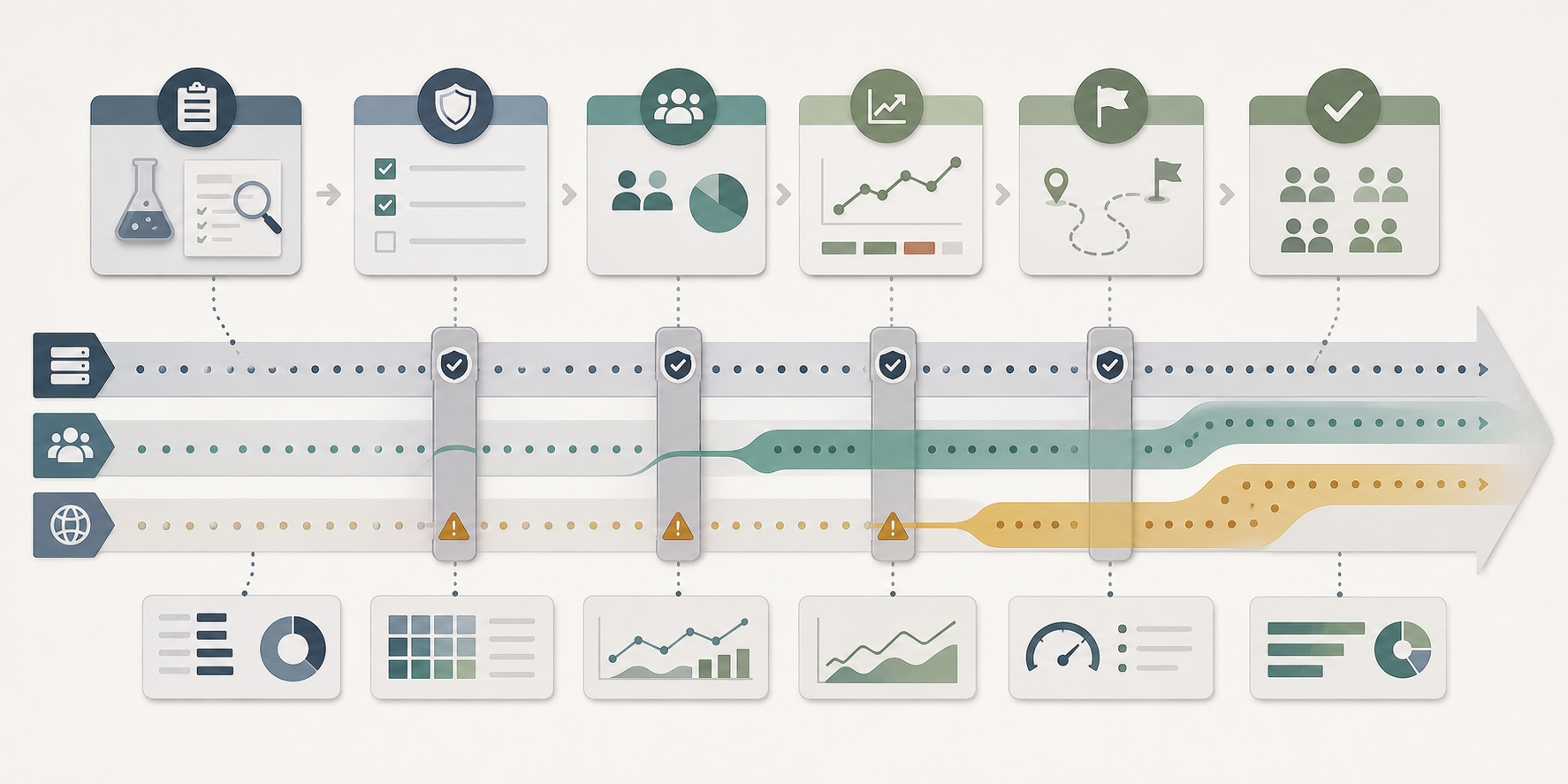
Kế hoạch Triển khai An toàn hơn cho GLM 5.2
Việc triển khai đúng đắn là từng bước, không phải theo cảm xúc.
1. Đóng băng một đường cơ sở GLM 5.1
Thu thập các tác vụ đại diện từ khối lượng công việc thực tế của bạn:
- một tác vụ ngắn
- một tác vụ trung bình
- một tác vụ ngữ cảnh dài
- một tác vụ gọi công cụ
- một tác vụ đầu ra có cấu trúc
2. Nâng cấp cấu hình, không phải toàn bộ hệ thống
Thay đổi mã định danh mô hình thành glm-5.2, sau đó quyết định xem chế độ suy nghĩ sâu có được bật theo mặc định hay không và liệu mặc định của bạn cho reasoning_effort nên là cao hay tối đa.
3. Kiểm tra các điểm tích hợp trước
Trước khi đánh giá chất lượng, hãy xác minh:
- đầu ra có cấu trúc vẫn phân tích cú pháp được
- các trình xử lý luồng vẫn hoạt động
- các tải trọng của luồng công cụ được tiêu thụ đúng cách
- độ trễ vẫn nằm trong khoảng chấp nhận được của bạn
4. Chạy thử nghiệm canary trên các khối lượng công việc có khả năng hưởng lợi nhất
Đừng bắt đầu với lộ trình an toàn nhất. Hãy bắt đầu với lộ trình có khả năng cho thấy lý do tồn tại của GLM 5.2:
- kho lưu trữ lớn hơn
- các tác vụ agent dài hơn
- các công việc kỹ thuật nhiều bước
- các bối cảnh gây khó khăn trên GLM 5.1
5. So sánh kết quả bằng ba chỉ số, không phải một
Theo dõi:
- tỷ lệ thành công của nhiệm vụ
- tổng lượng token tiêu thụ
- độ trễ từ đầu đến cuối
Nếu một chỉ số tốt hơn trong khi hai chỉ số xấu đi, quyết định chưa hoàn tất.
6. Đặt trước các điều kiện kích hoạt rollback
Xác định trước khi triển khai điều gì được coi là thất bại:
- hỏng định dạng đầu ra
- sự không ổn định của lệnh gọi công cụ
- chi phí tăng vọt vượt ngưỡng
- độ trễ hồi quy vượt ngưỡng
Điều đó biến việc quay lui thành một cơ chế an toàn bình thường thay vì một cuộc tranh luận cảm tính.
Khuyến nghị theo loại đội
Nhà phát triển độc lập và các startup nhỏ
Nếu bạn làm việc nhanh và prompt của bạn đã vượt quá ngữ cảnh 200K, GLM 5.2 có lẽ đáng để thử nghiệm ngay. Chi phí di chuyển thường có thể quản lý được, và lợi ích là đáng kể.
Đội ngũ nền tảng hoặc hạ tầng
Hãy coi GLM 5.2 là một ứng viên nâng cấp được kiểm soát. Giá trị là rõ ràng, nhưng kỷ luật triển khai quan trọng hơn sự hào hứng trong tuần ra mắt.
Doanh nghiệp có quy trình đã được kiểm chứng
Đừng chuyển đổi chỉ vì biểu đồ điểm chuẩn hấp dẫn. Hãy chuyển đổi khi canary của bạn chứng minh rằng ngữ cảnh dài hơn hoặc suy luận sâu hơn cải thiện đáng kể kết quả kinh doanh mà không phá vỡ quản trị, độ trễ hoặc sự ổn định của bộ phân tích cú pháp.
Khuyến nghị cuối cùng
Nếu bạn chỉ lựa chọn dựa trên năng lực mô hình, GLM 5.2 thắng. Nó cung cấp cửa sổ ngữ cảnh lớn hơn nhiều, các điểm chuẩn được công bố mạnh hơn, bề mặt chuyển đổi rõ ràng hơn cho lý luận và truyền phát công cụ, và cùng mức giá API được niêm yết như GLM 5.1.
Nếu bạn lựa chọn dựa trên rủi ro sản xuất, câu trả lời tốt hơn có nhiều sắc thái hơn: nâng cấp có chủ đích, không đồng loạt. Các nhóm gặp vấn đề rõ ràng về ngữ cảnh hoặc quy trình kỹ thuật dài hạn nên thử nghiệm GLM 5.2 ngay bây giờ. Các nhóm có lộ trình GLM 5.1 ổn định và kích thước prompt khiêm tốn có thể chờ đợi cho đến khi họ có một bộ khung so sánh phù hợp.
Nguyên tắc thực tế tốt nhất rất đơn giản: chuyển sang GLM 5.2 khi lợi ích về khối lượng công việc hiện rõ trong dữ liệu của chính bạn, không chỉ trong biểu đồ của người khác.
Câu hỏi thường gặp về nâng cấp
Chỉ riêng cửa sổ ngữ cảnh 1M có đủ lý do để nâng cấp không?
Không phải luôn luôn. Đó là đủ lý do để thử nghiệm nếu áp lực ngữ cảnh là một điểm nghẽn thực sự. Nếu prompt của bạn hiếm khi tiến gần đến giới hạn của GLM 5.1, lợi ích có thể nhỏ.
GLM 5.2 có tốn kém hơn nếu giá niêm yết giống nhau không?
Có thể. Giá mỗi token có thể không thay đổi, nhưng tổng chi phí tác vụ vẫn có thể tăng nếu mô hình tạo ra nhiều đầu ra hơn hoặc chuỗi lý luận dài hơn.
Tôi có cần viết lại tất cả prompt GLM 5.1 của mình không?
Thông thường không cần tất cả. Nhưng các prompt được thiết kế dựa trên nén ngữ cảnh mạnh mẽ hoặc các giả định streaming cũ nên được xem xét lại sau khi di chuyển.
Tôi có nên chuyển toàn bộ lưu lượng truy cập cùng một lúc không?
Không. Triển khai canary an toàn hơn, đặc biệt nếu hệ thống của bạn phụ thuộc vào đầu ra có cấu trúc, lời gọi công cụ hoặc các hệ thống hạ nguồn nhạy cảm với độ trễ.
GLM 5.1 có thể tiếp tục hoạt động trong sản xuất sau khi tôi áp dụng GLM 5.2 không?
Có. Chiến lược định tuyến hỗn hợp có thể hợp lý nếu GLM 5.1 vẫn đủ tốt cho các tác vụ ngắn hơn, rủi ro thấp hơn trong khi GLM 5.2 xử lý các tuyến lớn hơn hoặc phức tạp hơn.